Phone:
(701)814-6992
Physical address:
6296 Donnelly Plaza
Ratkeville, Bahamas.
Phone:
(701)814-6992
Physical address:
6296 Donnelly Plaza
Ratkeville, Bahamas.
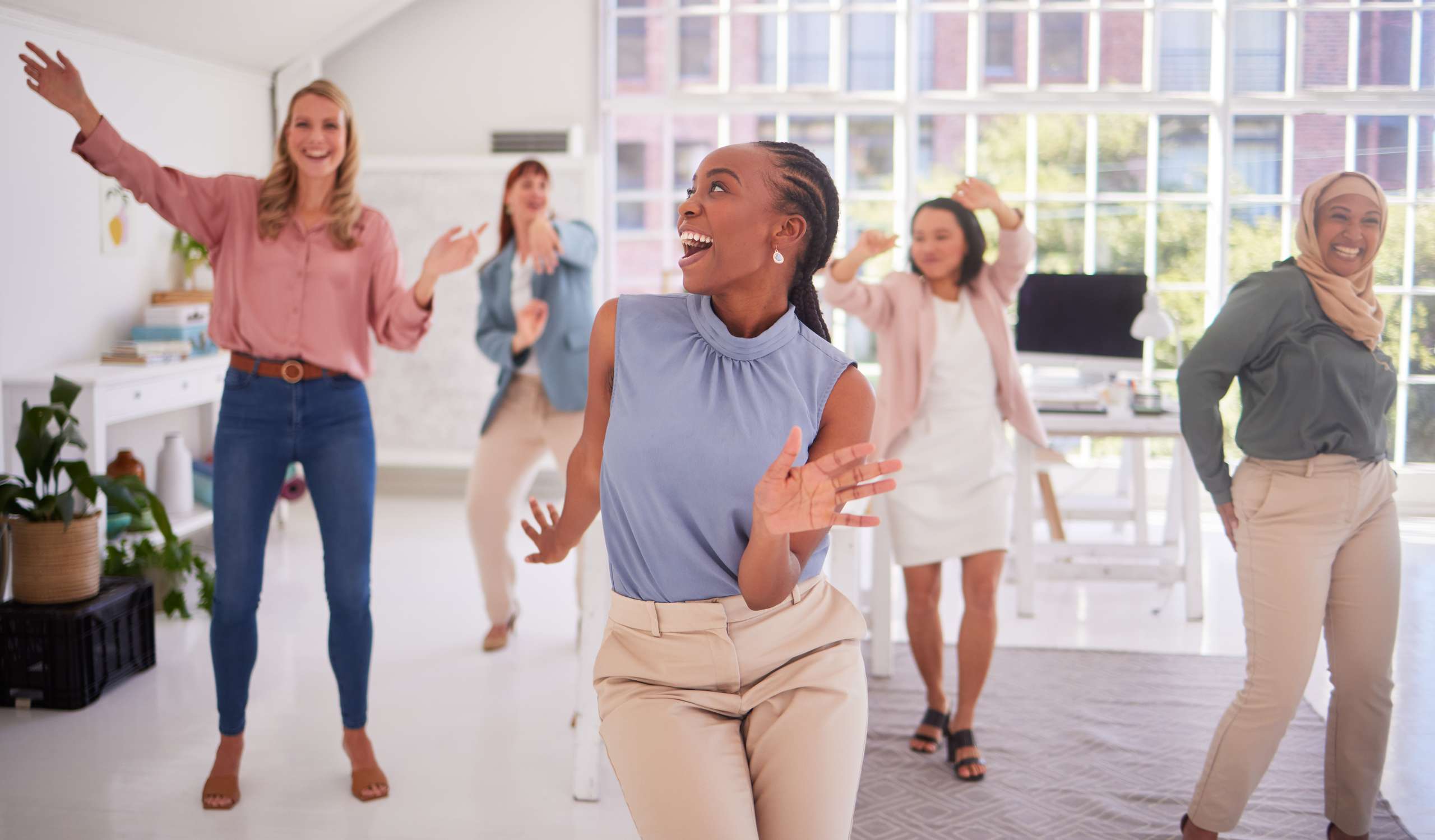
The Fix: Dancing in small spaces can actually be beneficial for your technique. In many cases, if you are forced to keep your movements small, your execution will be cleaner. If you don’t have the room to take large steps, you can focus on balance, foot placement and timing. Instead of trying to squeeze in your big movements, try practicing things that don’t require a lot of space. For example, try marking your movements without taking any large traveling steps. This will help your mind to focus on learning the steps while your body learns to execute them more precisely. Try to imagine that you are dancing on a small stage, and you have to be mindful of how much space you have.
To practice effectively, draw a box on the floor that you can dance in. A good size would be about the size of a yoga mat. Use this box to help you keep your movements contained while you are dancing. This will help you practice your directional movements and prevent you from creeping across the floor. To start, practice some march steps in place. Then try adding some weight changes from one foot to the other, keeping your upper body still. Be careful not to compensate for the lack of space by bouncing up and down, or swinging your arms around like a crazy person. This will make it very difficult to maintain your balance, and your movements will not feel as fluid. By keeping your movements on the floor, you will be able to maintain your balance more easily, and your movements will feel more intentional.
Another good way to practice in small spaces is to practice footwork. Try tapping one foot out to the side, bringing it back to the other foot, and then repeating the movement with the other foot. Focus on placing your foot in the correct position and try to execute the movement on the correct timing. Remember, the speed of the movement is not as important as the accuracy of the movement. Try to place your foot on the correct beat. If you mess up the timing, stop and start over again instead of trying to fudge the movement and then continuing. Practicing in small spaces will quickly reveal timing problems. It may help you to slow the tempo down at first to help you build up your strength and muscle memory. Then, when you increase the tempo, you will be able to execute the movements correctly.
Turning can also be practiced in small spaces if you focus on your spot. Try practicing your turns by rotating in small increments. For example, try rotating 90 degrees at a time. Stop for a moment before rotating another 90 degrees. Many beginners have trouble with turning in small spaces because they try to spin so fast that they lose their balance and their spot. Remember to focus on spotting and alignment. By slowing down your turn, you will be able to maintain better control and reduce your chances of getting dizzy. Focus on keeping your head in the same position and engaging your core. This will help you feel more grounded in your movement.
Here is a quick example of how you could structure a 15-minute practice session: * 2 songs: Marching in place, and practicing small foot movements * 3 minutes: Practicing some basic footwork * 4 minutes: Practicing turns in small increments * 6 minutes: Put it all together and practice dancing to one of your favorite songs.